Modernizing how
rare botanicals
are sourced.
Growing nature’s most valuable ingredients in bioreactors.
ExploreThe supply chain is cracking…
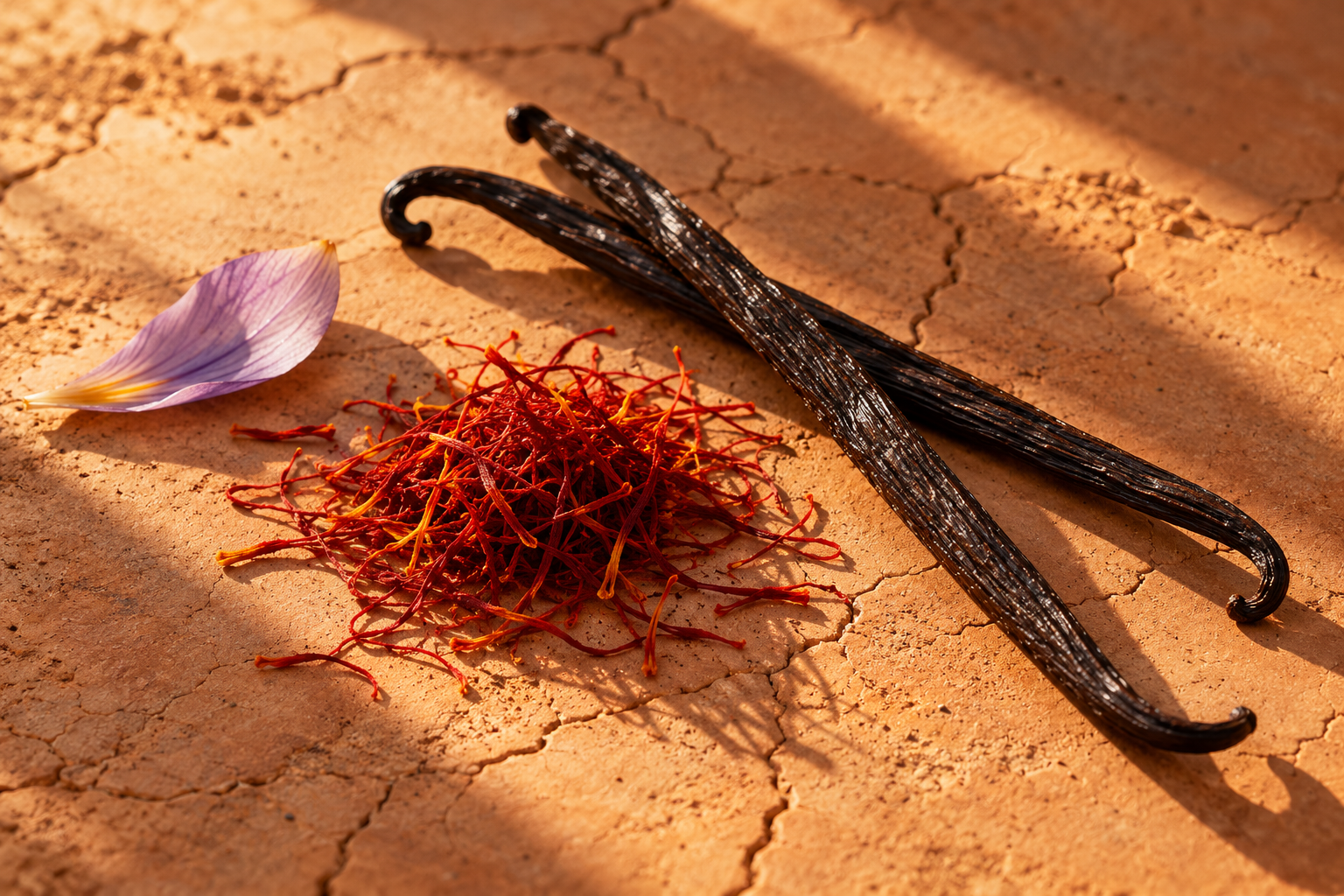
From saffron to vanilla, sourcing rare ingredients is a constant challenge.
Yields are unpredictable. Quality is inconsistent. Prices are often sky-high. Climate events like droughts and hurricanes only make things worse. Traditional farming is slow to adapt, and even vertical agriculture struggles with scale and cost. Now, rising geopolitical instability is putting even more pressure on global supply chains.
We think it’s time for a better approach—one that doesn’t rely on geography, rainfall, or harvest seasons.
The Power of Plants
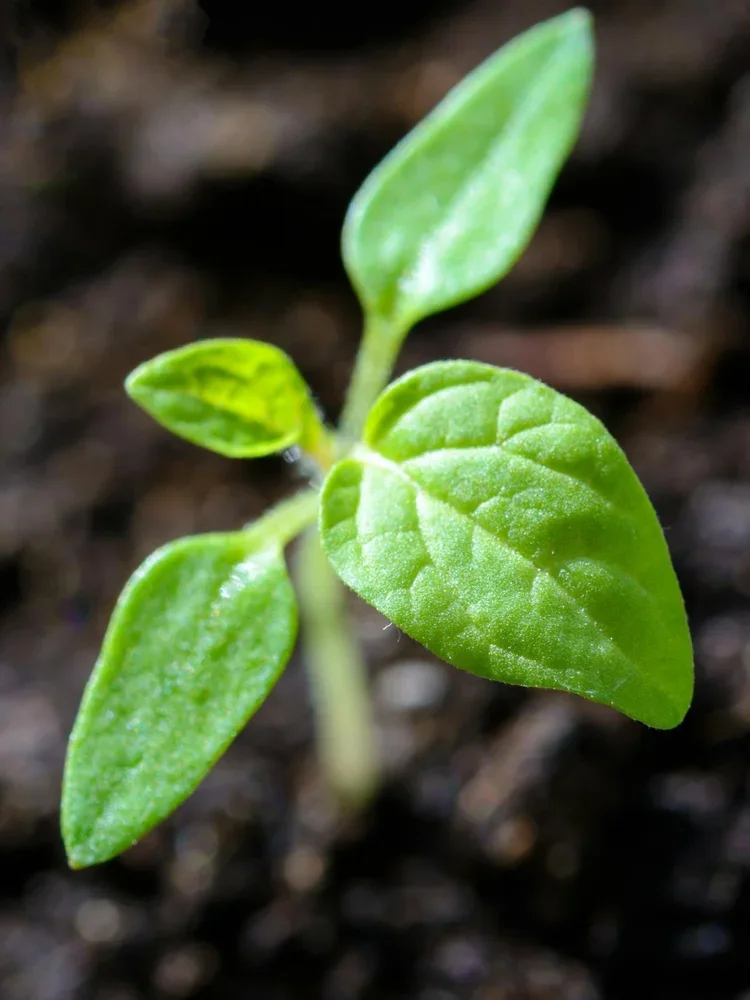
Plants have the amazing ability to regenerate themselves when injured. At Krokos Bio, we harness that ability through novel biotechnology, allowing us to produce ingredients more affordably, reliably, and sustainably.
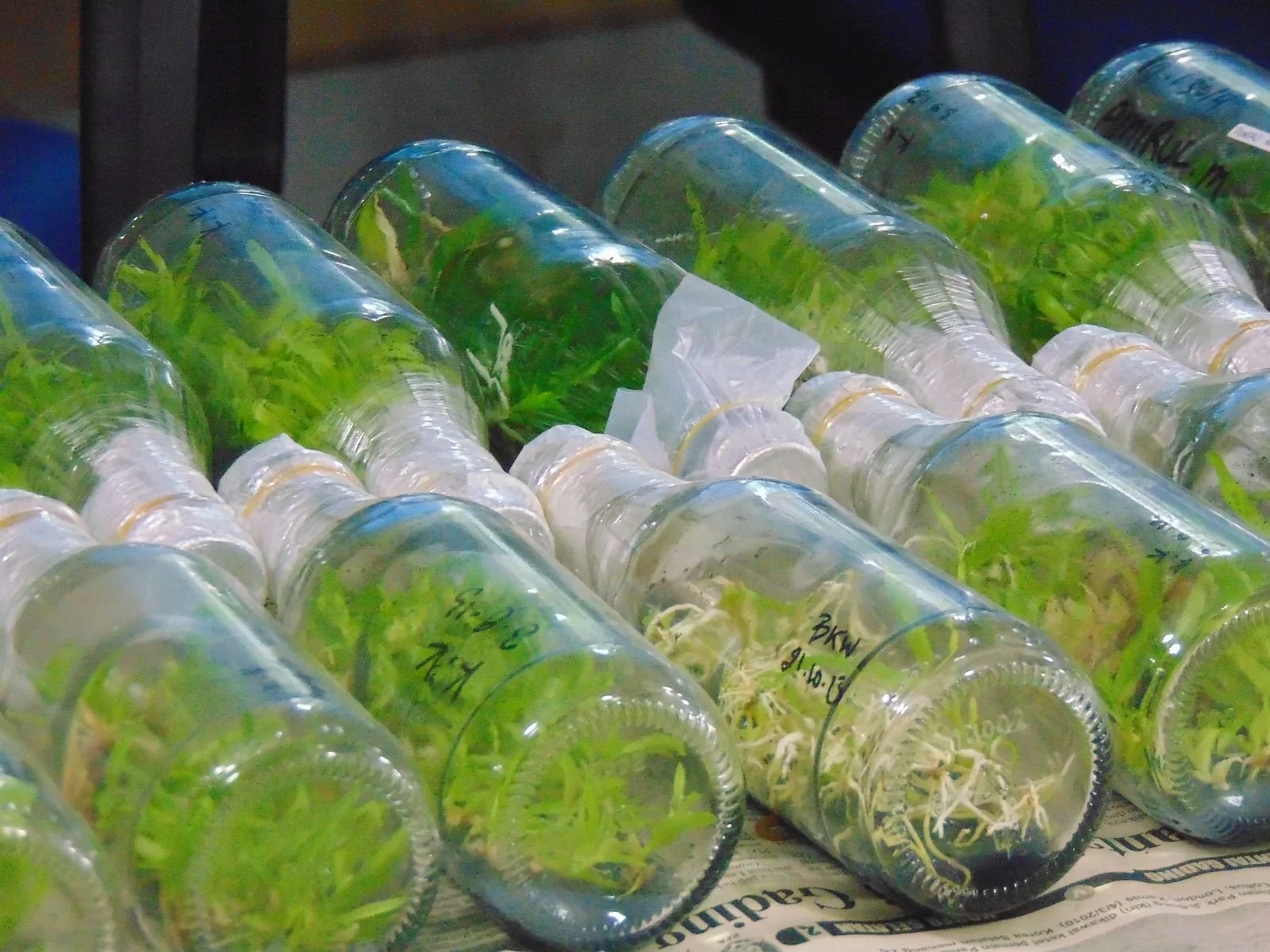
Our Approach: Growing real plant cells in bioreactors
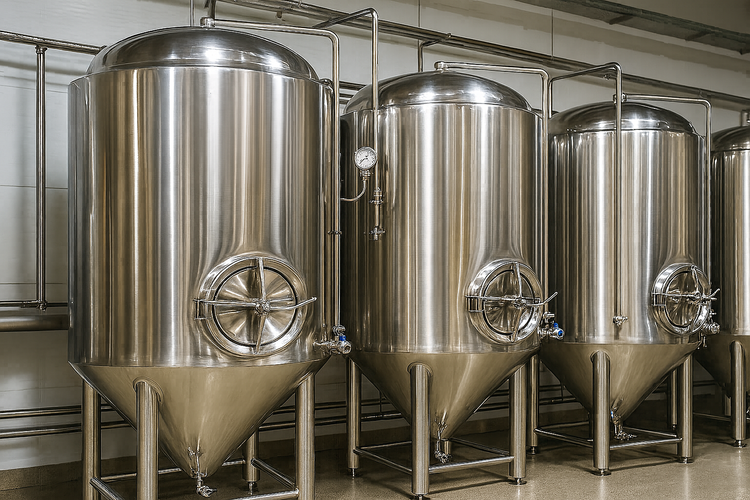
Krokos Bio replaces fields with fermentation tanks, using plant cell culture to produce full-spectrum botanical ingredients from real plant cells. This approach overcomes many of the continuing issues faced by current growers.
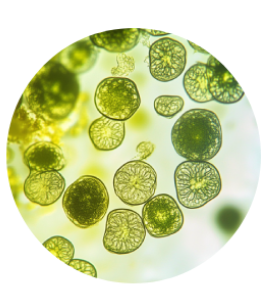
Why Plant Cell Culture?
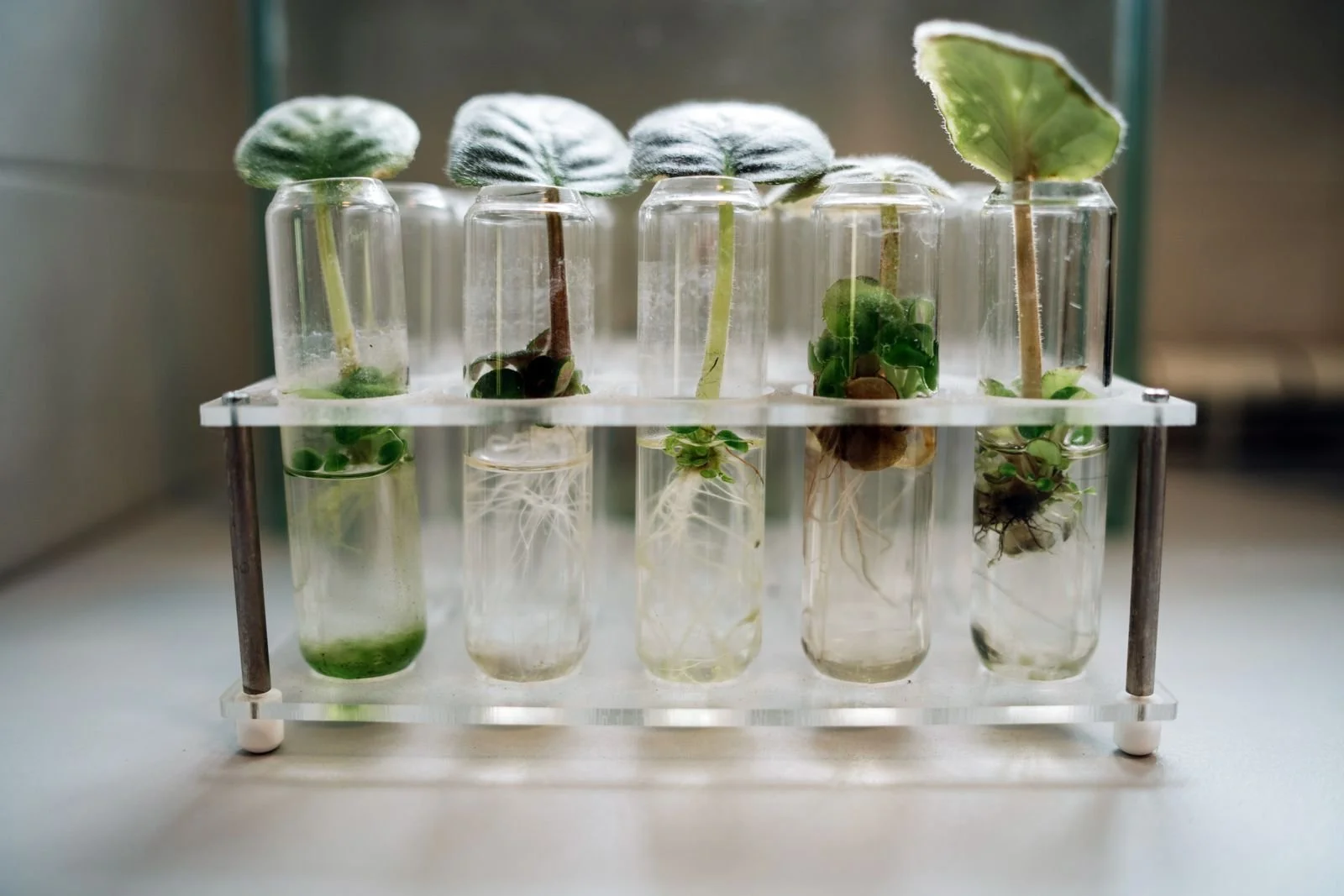
Plant cell culture (PCC) has existed as a practice for many decades. Its most well-known application was for producing Paclitaxel, a plant-derived cancer drug.
However, as advances in PCC and biomanufacturing have progressed, it’s opened up potential applications to food, cosmetics, and materials.
In fact, it now demonstrates multiple benefits over other alternatives:
Climate-Proof
Because manufacturing takes place in bioreactors, production is no longer dependent on rainfall, temperatures, or weather
Cost-Effective
PCC bypasses the need for growing cycles, since cells can be grown 24/7, 365 days a year. Between this, low-cost manufacturing techniques, and innovations in plant science, many botanicals can be produced with positive unit economics.
Sustainable
PCC requires only a fraction of the land, water, and labor needed compared to conventional farming.
True-to-Nature
Since plant cells are being cultivated, ingredients made through PCC can retain the full spectrum of active compounds produced by whole plants. This offers superior quality in flavor, aroma, and health benefits compared to synthetic substitutes.
What We’re Building
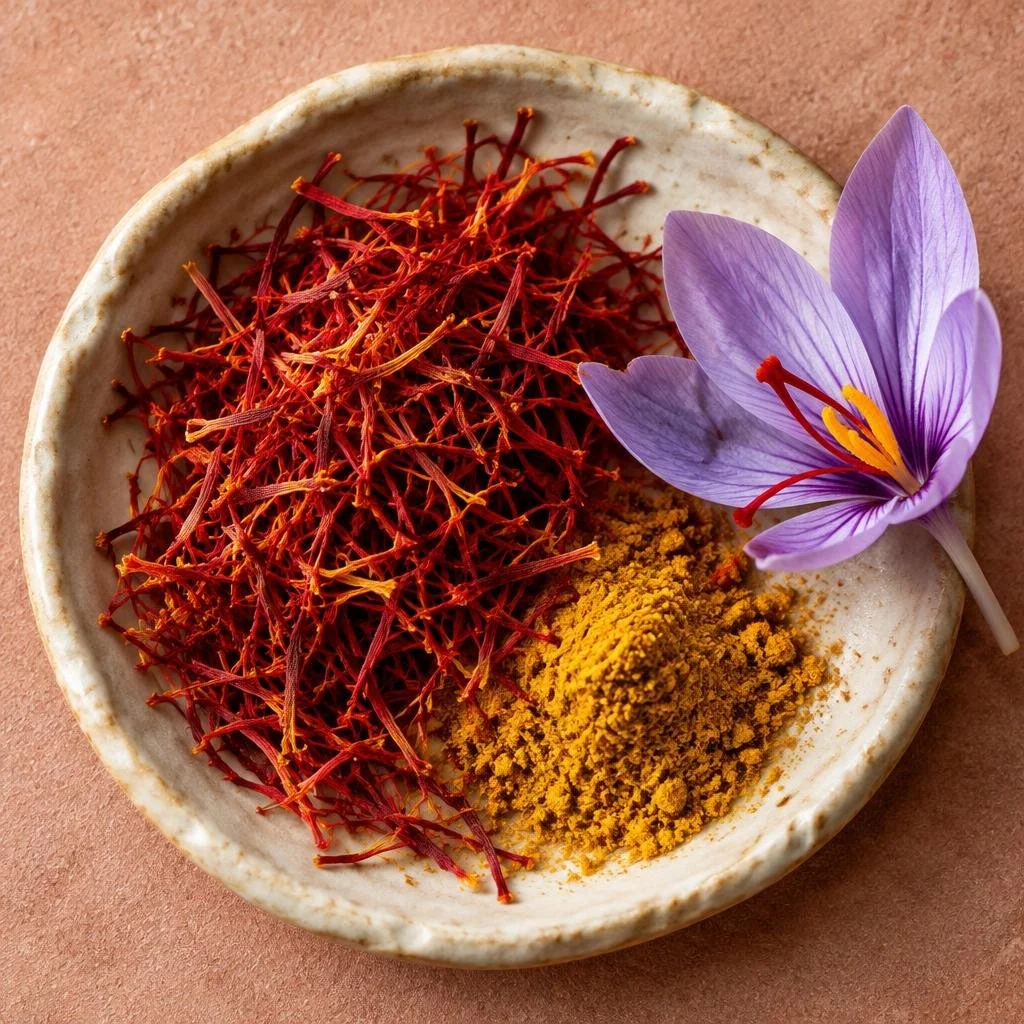
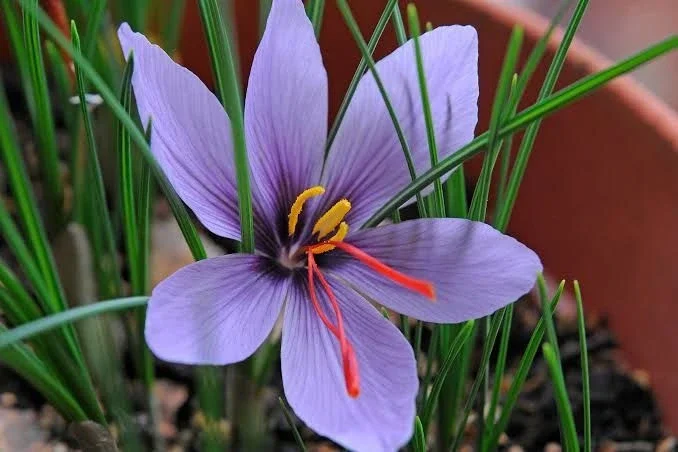
Krokos Bio is developing a next-generation plant cell culture (PCC) platform to produce a wide range of botanical ingredients. Our first target is saffron, one of the most expensive ingredients on earth. Its cultivation is plagued by drought, low yields, and the need for intensive manual harvesting. Prices routinely exceed $3,000 per kilogram, and the supply outlook continues to worsen.
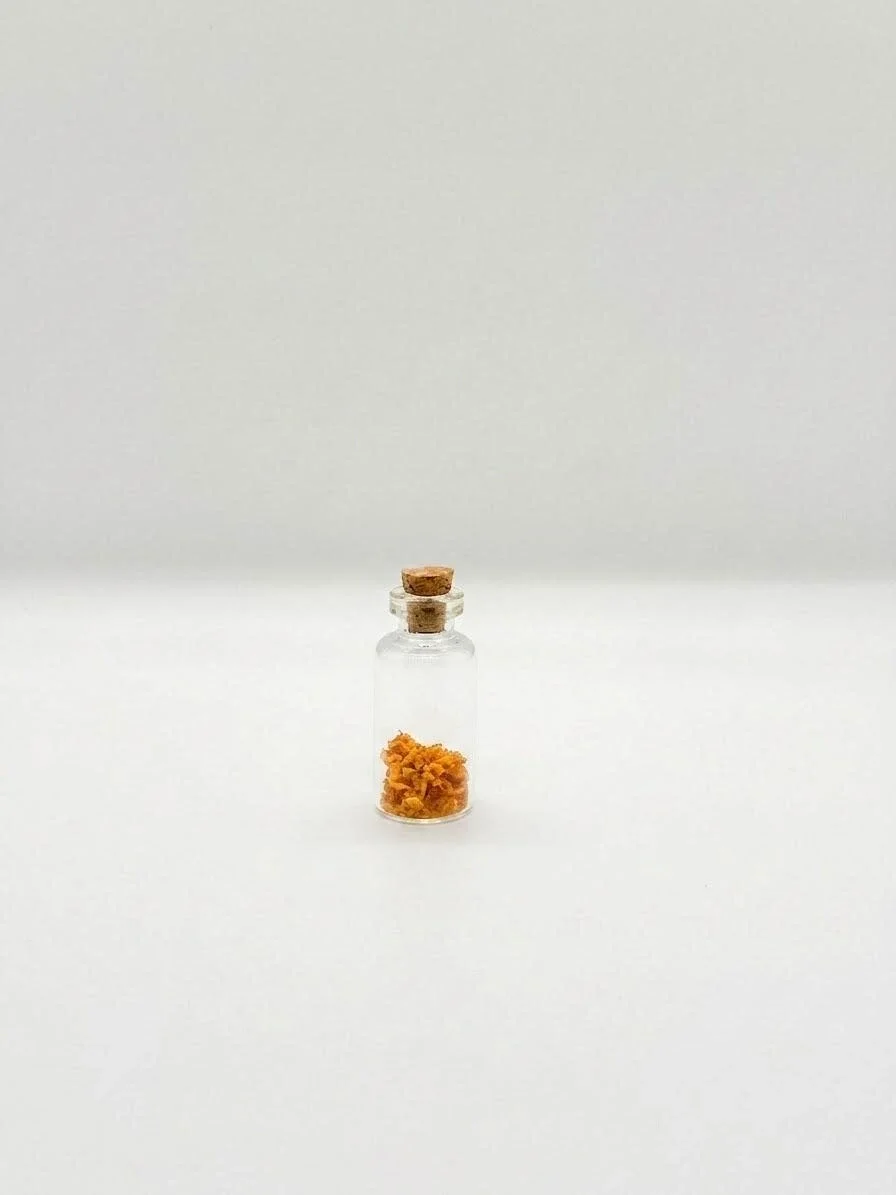
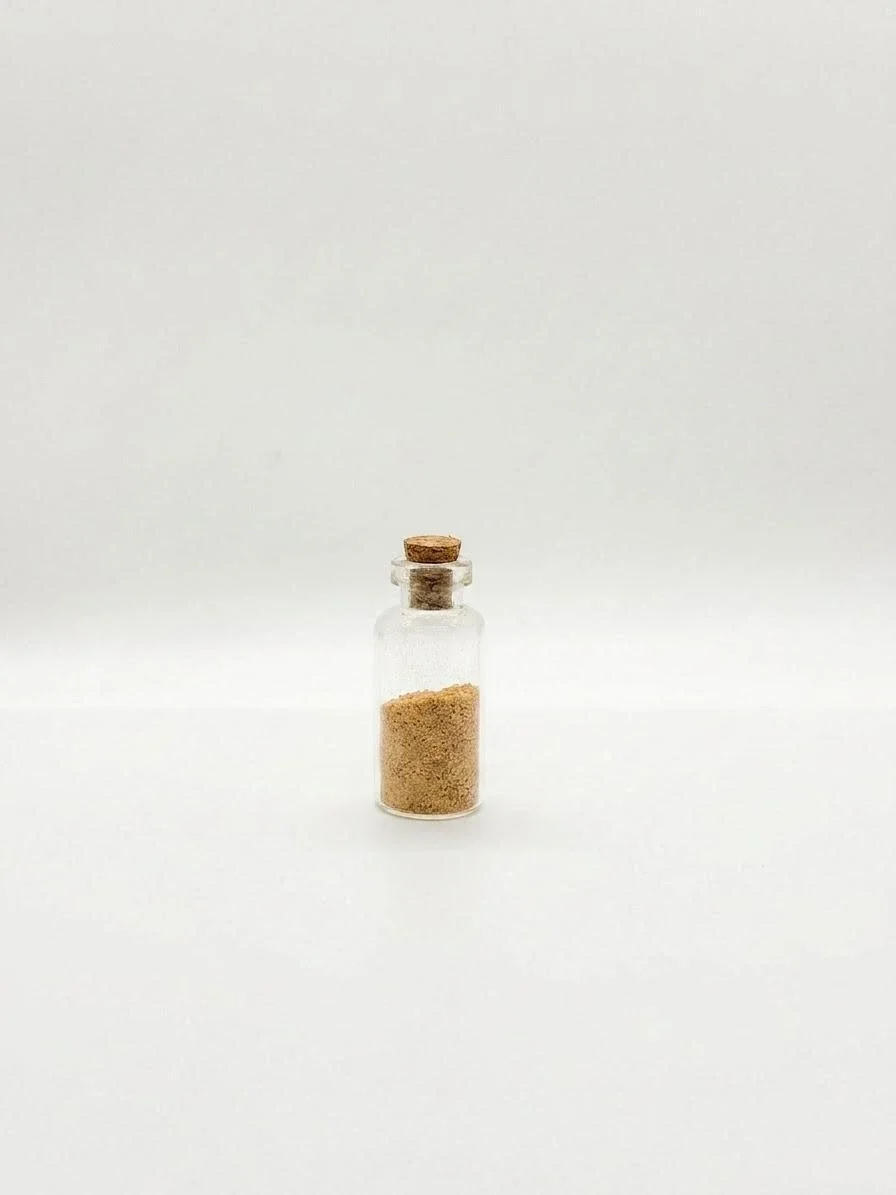
A food-grade saffron powder that matches the color, flavor, and fragrance of traditional saffron, but with lower costs and a dramatically more reliable supply chain.
How Plant Cell Cultures Start
A small piece of plant tissue is the beginning of something bigger.
 01
01Plant
A healthy source plant is selected for cellular extraction.
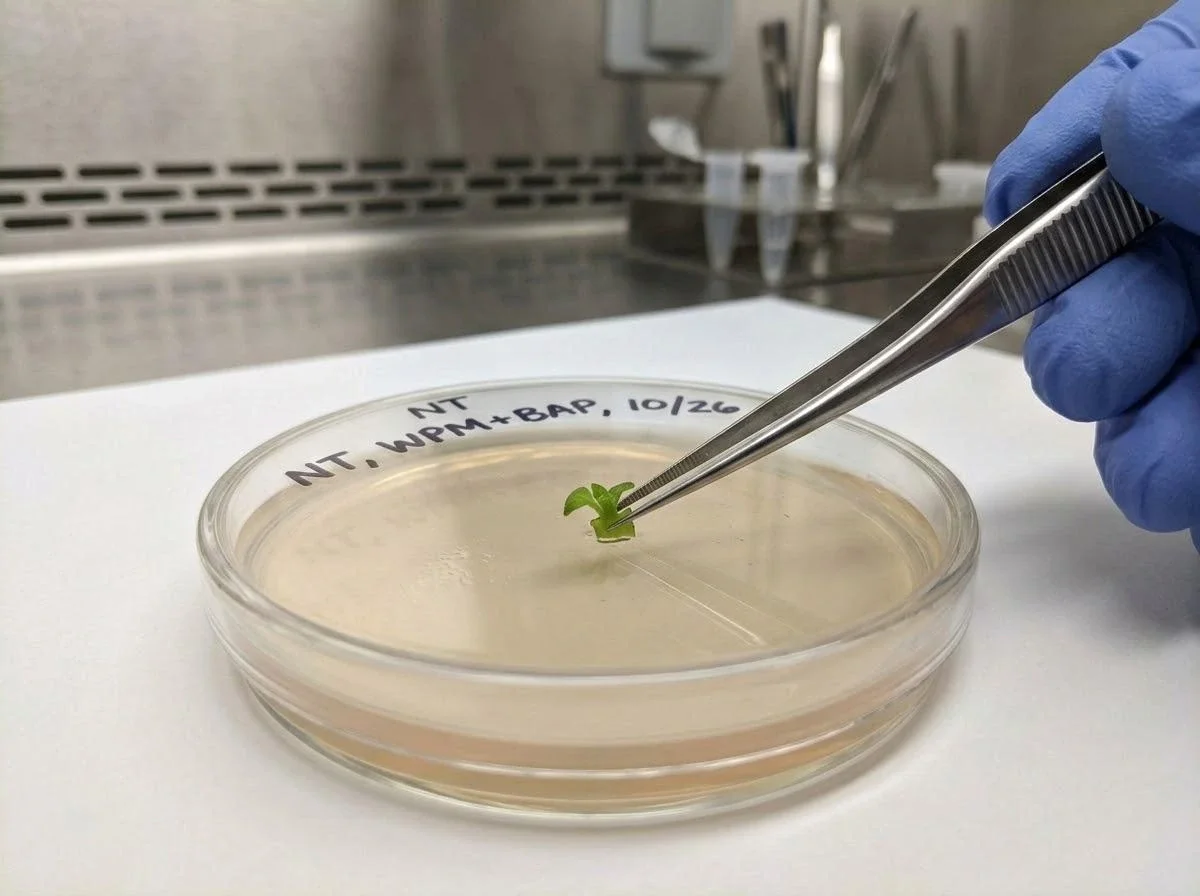 02
02Explant
A small piece of tissue is carefully excised from the source plant.
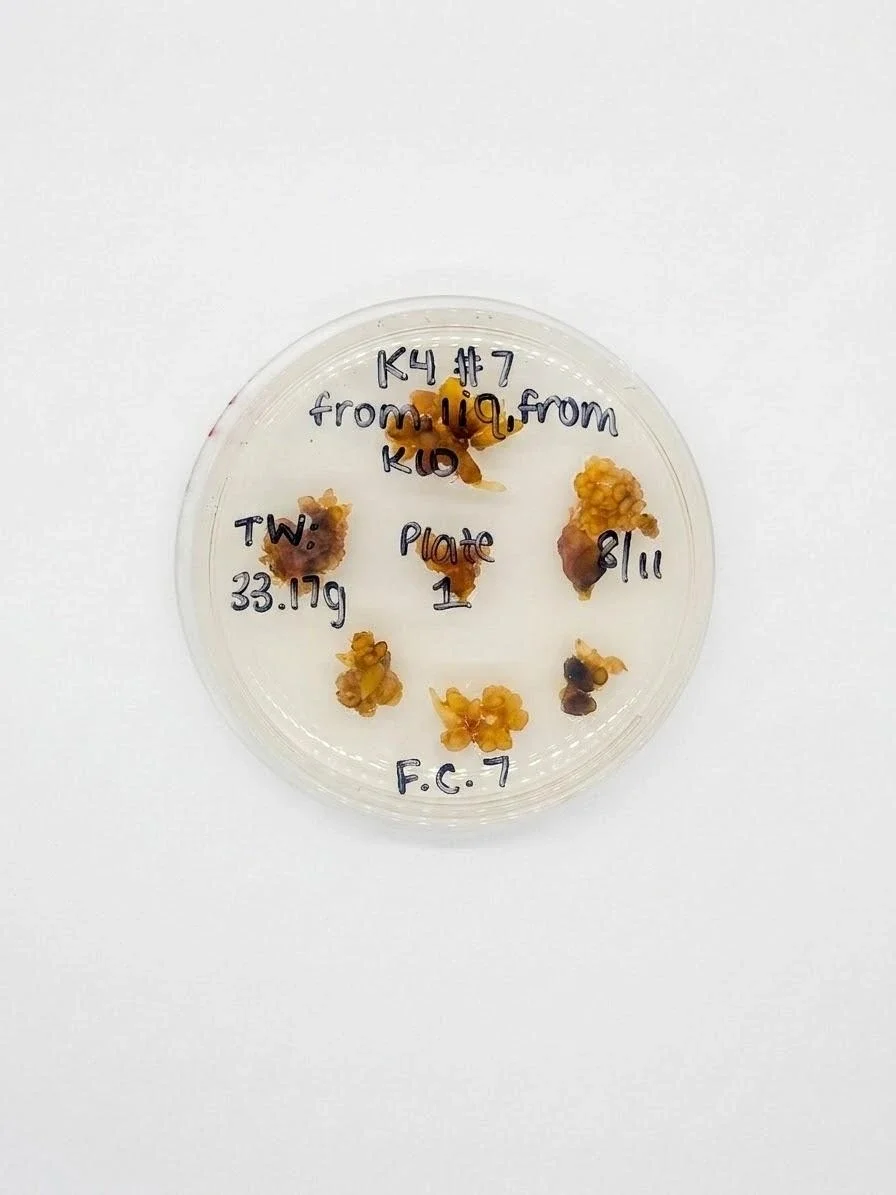 03
03Sterile culture
The tissue grows on nutrient agar under sterile conditions.
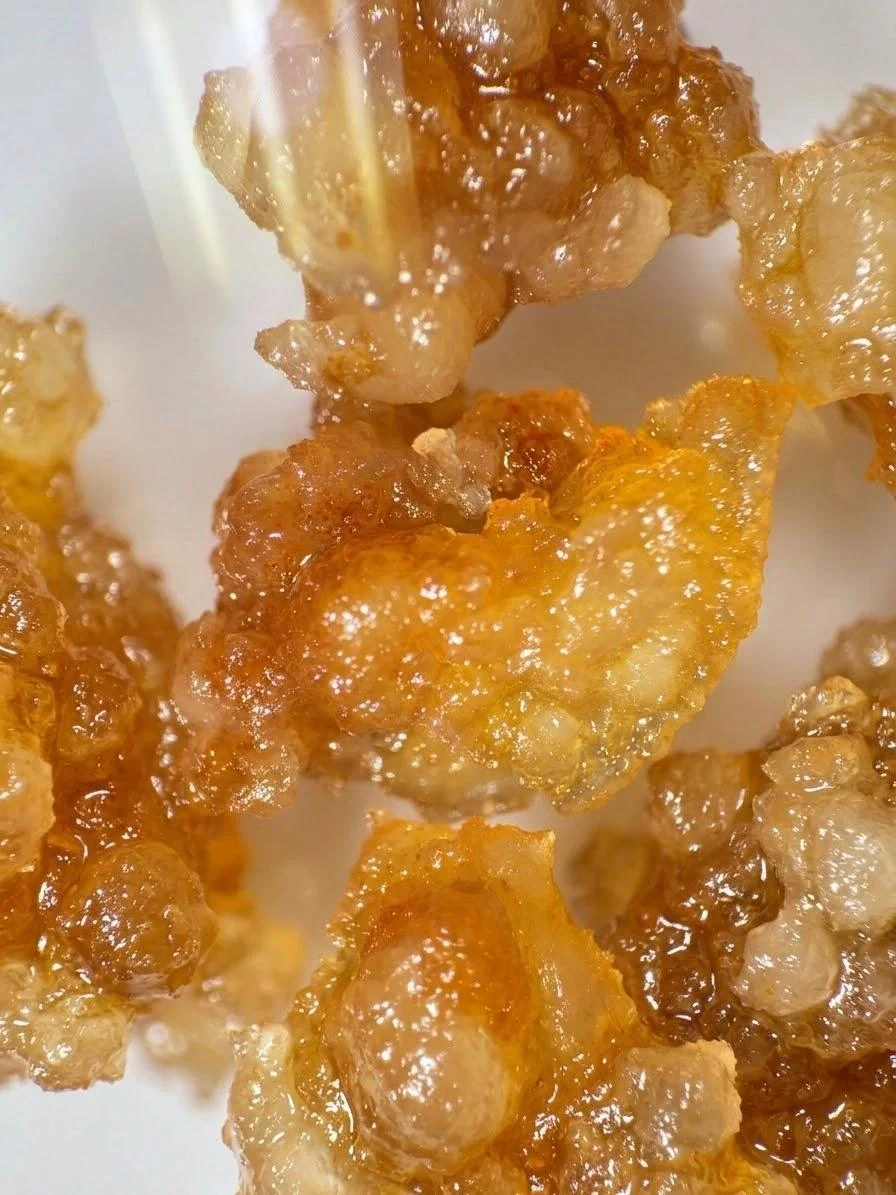 04
04Callus
An undifferentiated cell mass develops, ready for suspension culture.
From Culture to Ingredient
A closer look at our work with saffron, from growing cells to exploring botanical formats.
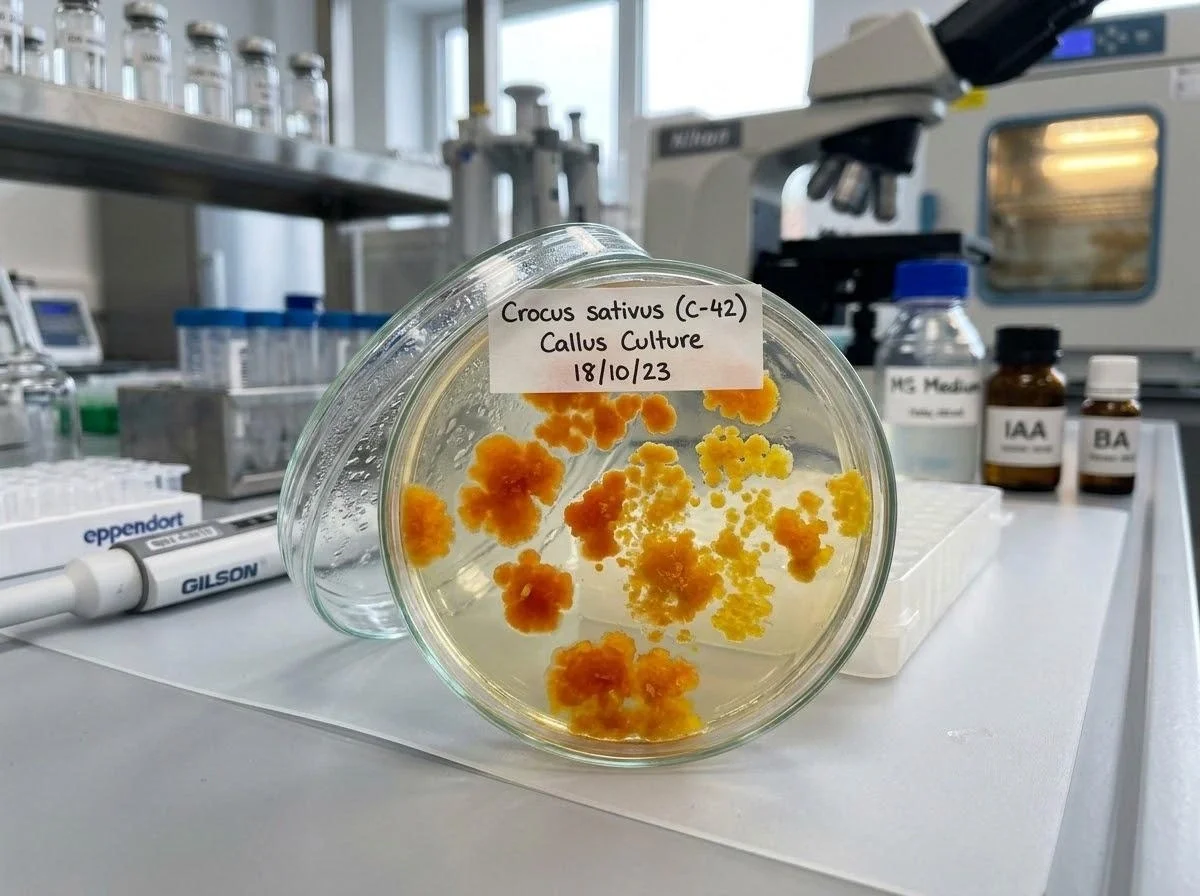 01
01Plant cell culture
Initiating and cultivating saffron calli in the laboratory.
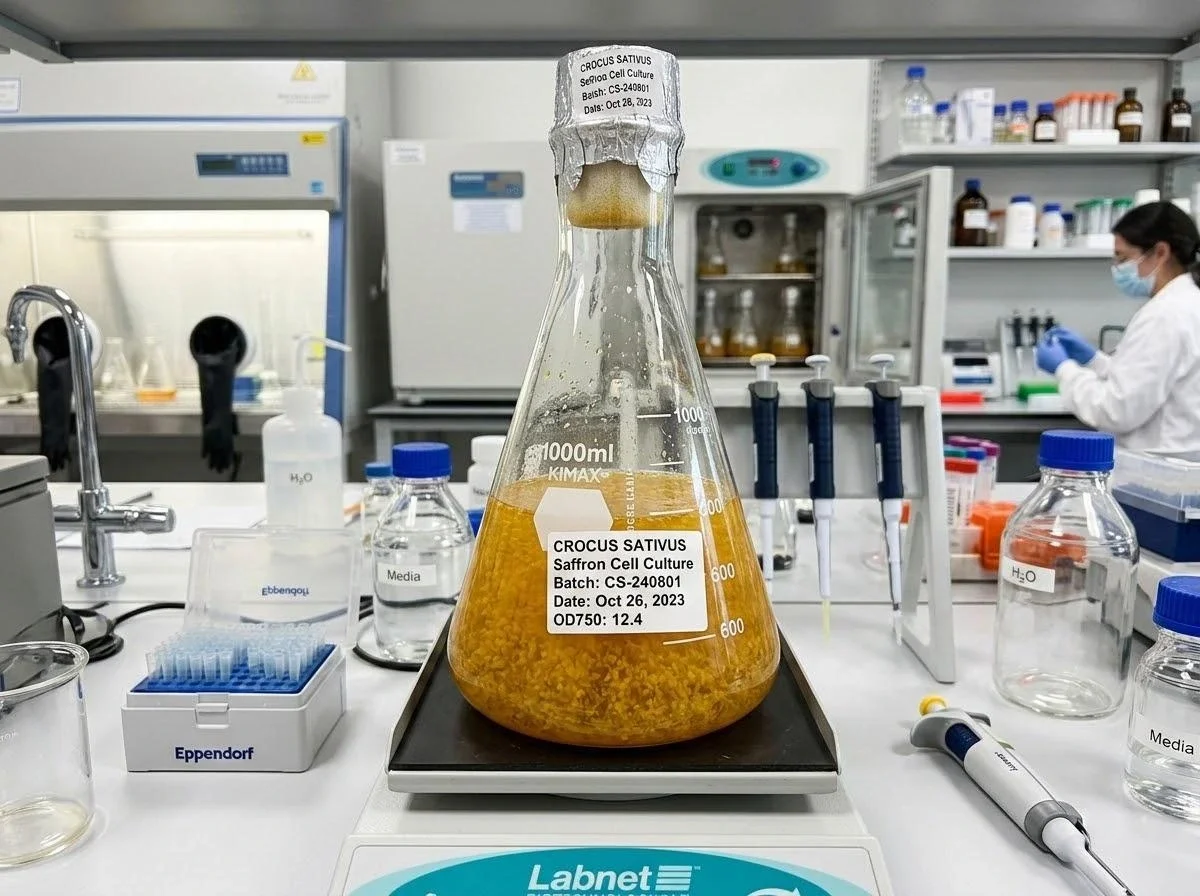 02
02Biomass production
Growing cell cultures to produce biomass containing saffron’s characteristic compounds: safranal, crocin, and picrocrocin.
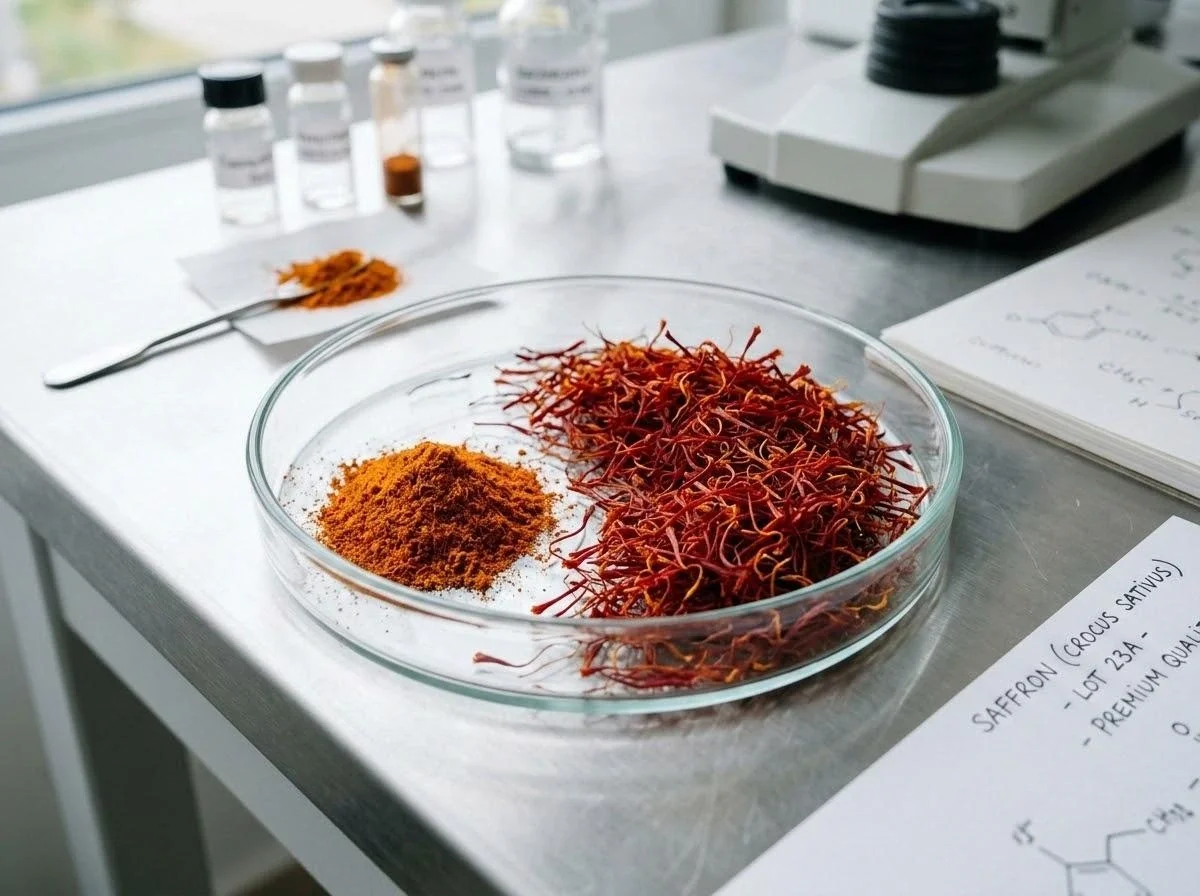 03
03Final processing
Developing ways to dehydrate and process the biomass into a standardized botanical raw material.
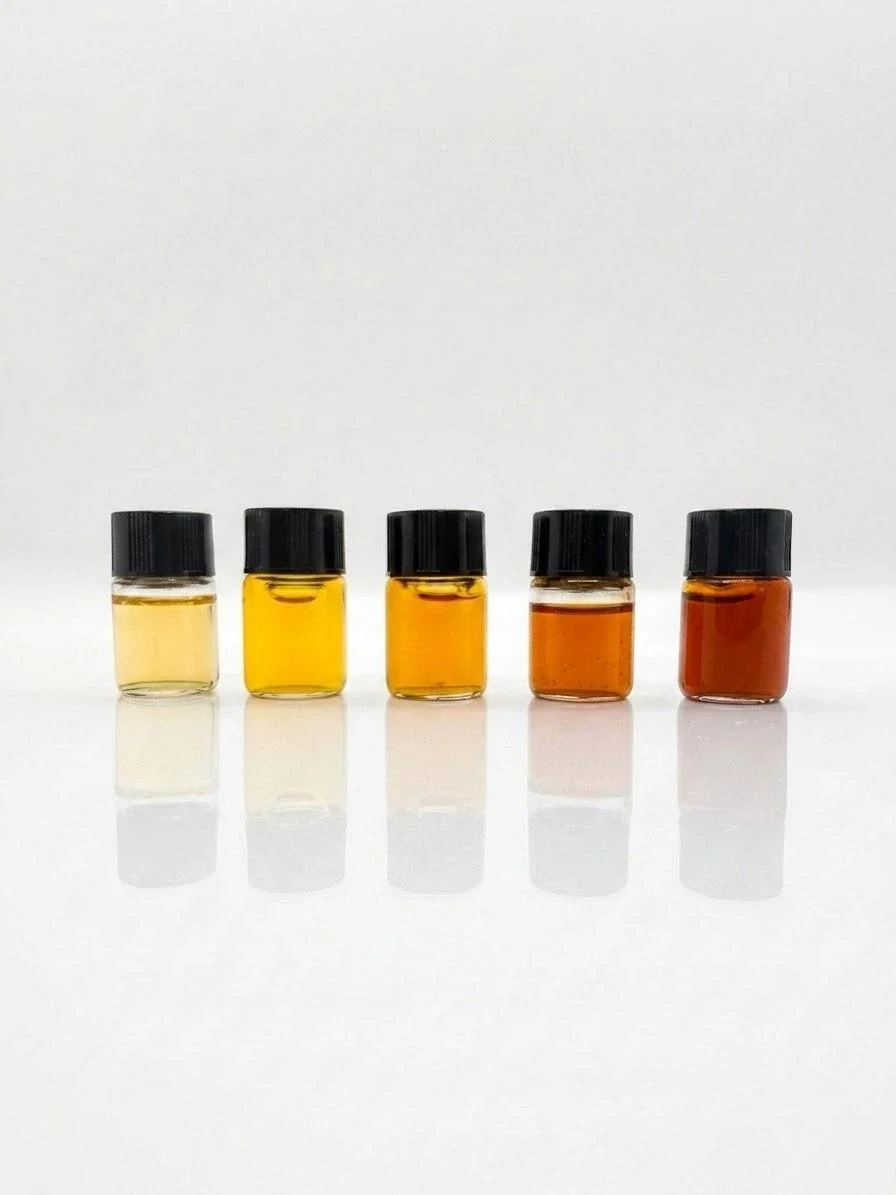
Botanicals, in different forms.